Understanding the Benefits of Pop-Up Events in Urban Areas
Pop-up events are becoming increasingly popular in urban settings, offering unique experiences and fostering community engagement. This article explores the various benefits of these transient gatherings, detailing how they contribute to urban life and local economies.
What are Pop-Up Events?
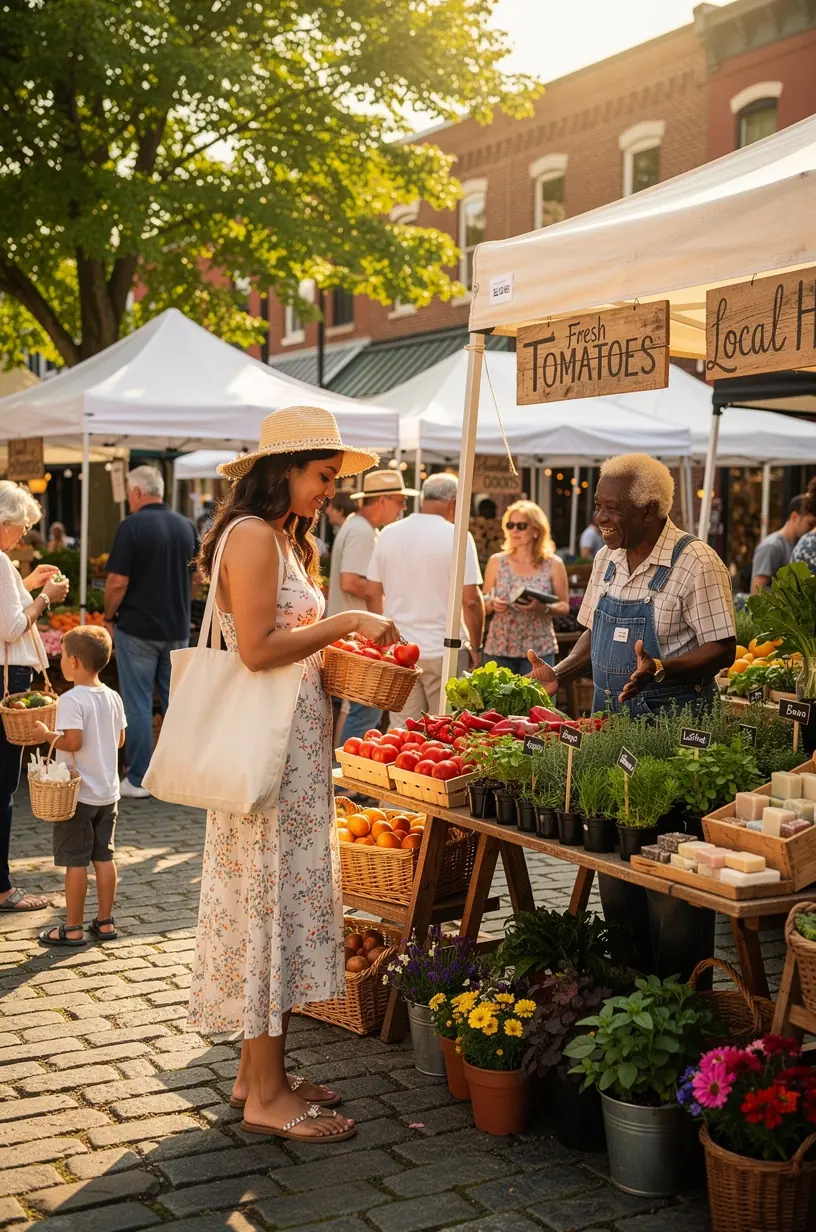
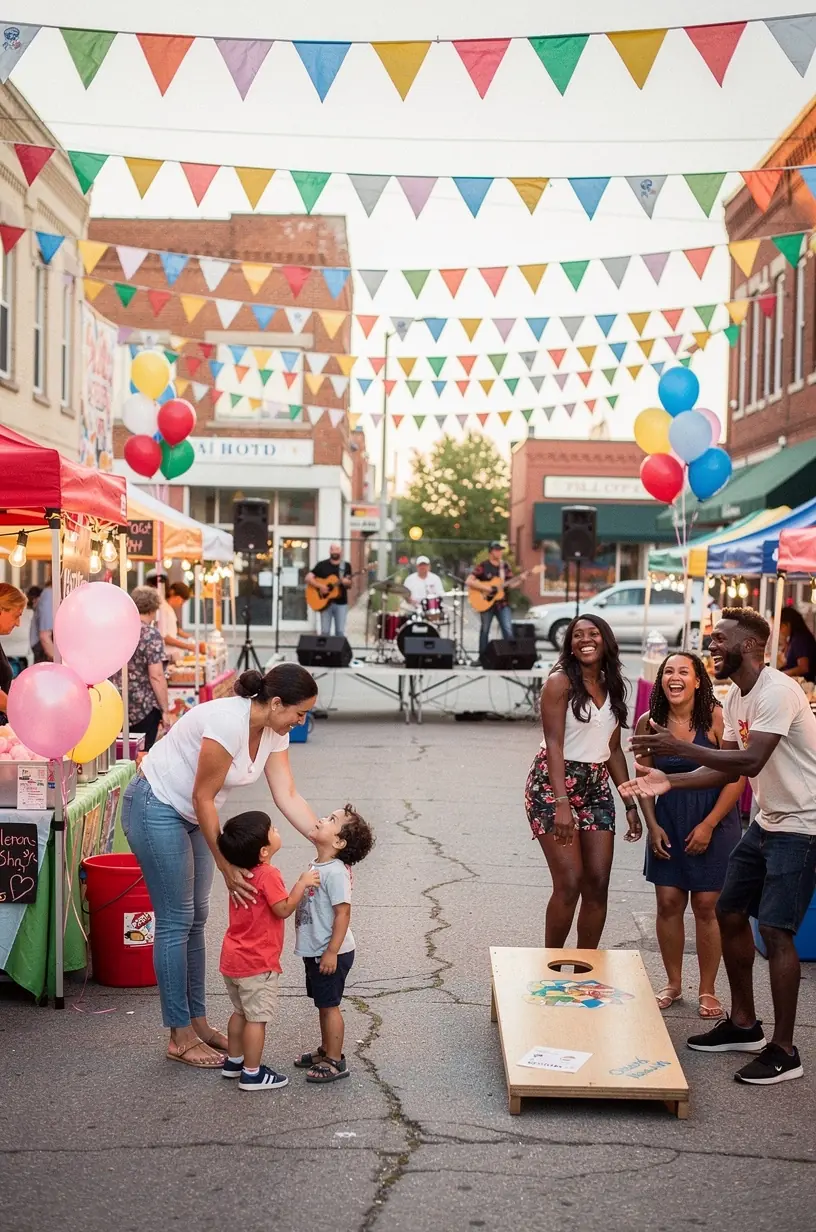
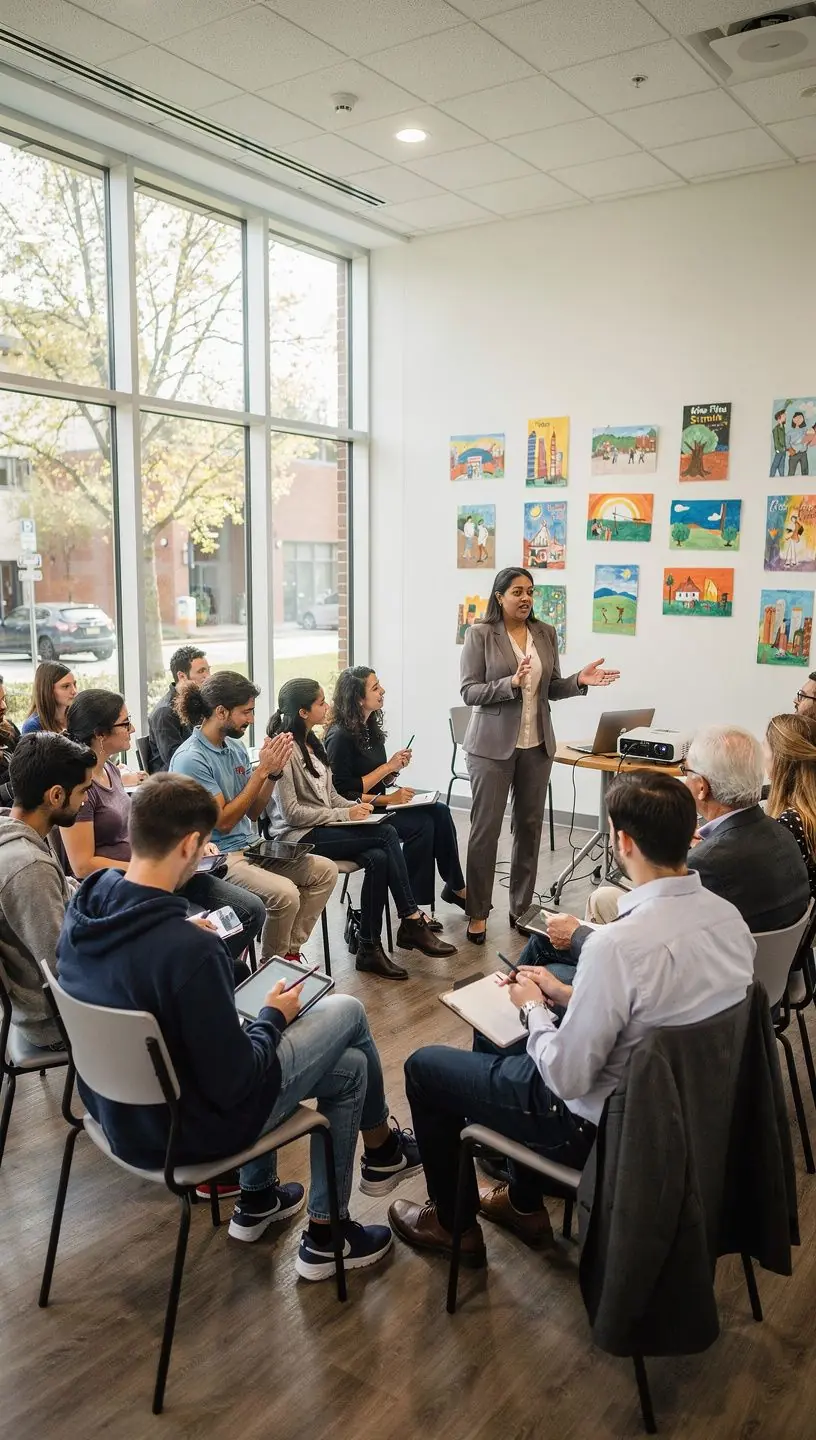
Pop-up events are temporary gatherings that can take various forms, including markets, art installations, food festivals, and community workshops. According to industry reports, these events often last from a few hours to several weeks and are typically organized in vacant lots, parks, or unused spaces. The essence of pop-up events lies in their ability to create spontaneous interactions within the community.

"Pop-up events help to activate public spaces and bring people together, providing a platform for creativity and community engagement." - Urban Planning Expert
Why Are Pop-Up Events Important?
Research indicates that pop-up events can significantly enhance urban areas by providing various social and economic benefits:
- Community Engagement: Pop-up events often encourage local residents to participate, fostering a sense of belonging and community spirit.
- Economic Boost: According to studies by the National Endowment for the Arts, such events can stimulate local economies by attracting foot traffic, which benefits nearby businesses.
- Support for Local Artists and Entrepreneurs: Many pop-up events feature local artisans and entrepreneurs, providing them with valuable exposure and opportunities to connect with potential customers.
How Do Pop-Up Events Work?
The success of pop-up events typically relies on strategic planning and community involvement. Organizers often engage with local stakeholders to identify suitable venues and coordinate logistics. The following steps outline the typical process:
- Identifying the Concept: Organizers determine the type of event that aligns with community interests, such as a food market or art exhibit.
- Securing a Location: Finding an appropriate location is crucial; it should be accessible and resonate with the event theme.
- Community Outreach: Engaging with local residents and businesses helps to garner support and increase participation.
- Execution and Follow-Up: Once the event occurs, organizers often gather feedback to evaluate its success and plan future events.
Potential Limitations of Pop-Up Events
While pop-up events can be beneficial, there are some challenges to consider:
- Time and Resources: Organizing a successful pop-up event typically requires considerable planning time and financial investment.
- Weather Dependence: Outdoor events can be affected by weather conditions, which may limit participation.
- Regulatory Considerations: Depending on the location, there may be permits and regulations that must be adhered to, which can complicate planning.
Conclusion
In summary, pop-up events can play a crucial role in revitalizing urban areas by promoting community engagement, supporting local economies, and showcasing local talent. However, it is essential for organizers to acknowledge the planning effort required and potential challenges they may face. By understanding both the benefits and limitations, communities can better leverage pop-up events to enhance their urban experiences.
Learn More