
Understanding Local Event Planning Strategies
In the vibrant landscape of community entertainment, understanding effective event planning strategies is crucial. This article aims to provide valuable insights into local event planning, discussing methods and considerations to enhance community engagement.
Understanding the Basics of Event Planning
Event planning is a multifaceted process that involves several steps, from conception to execution. According to industry experts, a reliable approach typically includes setting clear objectives, defining target audiences, and creating a detailed timeline. These elements are essential in ensuring that events meet the needs of the community and achieve desired outcomes.
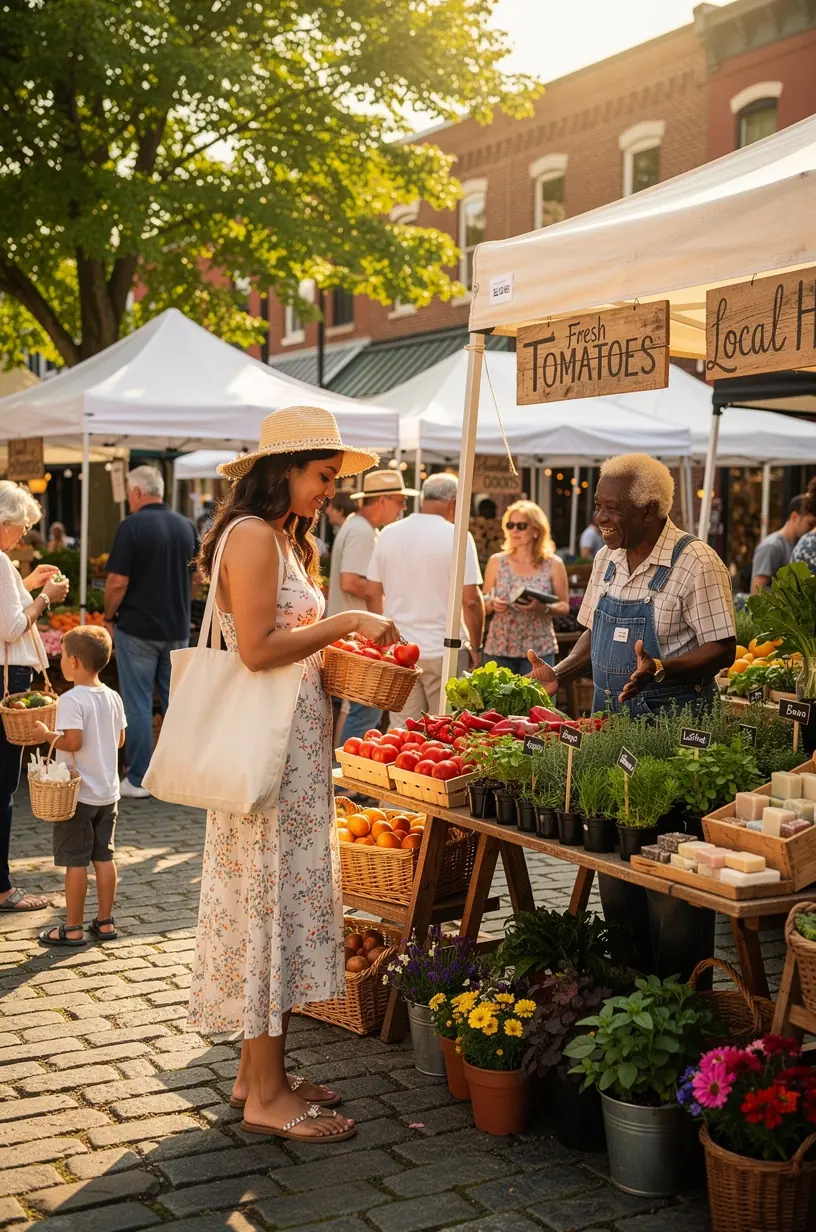
"Successful events are often the result of thorough planning and clear communication with stakeholders." - Event Planning Expert
Key Strategies for Effective Event Planning
To create impactful local events, consider the following strategies:
- Define Objectives: Start by determining the purpose of the event. Research shows that events with clear objectives are more likely to succeed. For instance, whether the goal is community engagement, fundraising, or cultural celebration, having a defined focus can guide all subsequent planning efforts.
- Engage with the Community: Local input is invaluable. Many users report that involving community members in the planning process can yield innovative ideas and foster a sense of ownership. This can be achieved through surveys, focus groups, or public meetings.
- Create a Detailed Timeline: Establishing a realistic timeline is vital. This process typically takes 2-4 months, depending on the event's scale and complexity. Breaking down tasks into manageable segments ensures that planning stays on track and deadlines are met.
Considerations and Challenges
While planning local events can be rewarding, it is important to acknowledge the challenges that may arise. Event organizers should be prepared for:
- Budget Constraints: Developing a budget is crucial, as many local events rely on community funding or sponsorships. It's essential to track expenses closely and explore various funding sources.
- Logistical Challenges: Coordinating venues, permits, and vendors often involves many moving parts. Experts recommend creating a checklist to ensure all logistical details are accounted for.
- Weather Considerations: For outdoor events, weather can be unpredictable. Having a contingency plan is advisable to address potential cancellations or rescheduling.
Conclusion
Understanding local event planning strategies is a valuable endeavor that can foster community spirit and engagement. By defining objectives, engaging with the community, and being mindful of potential challenges, event planners can create memorable experiences that resonate with attendees. While planning requires time and effort, the rewards of successful events often extend far beyond the day of the gathering, contributing to a stronger, more connected community.
Learn More