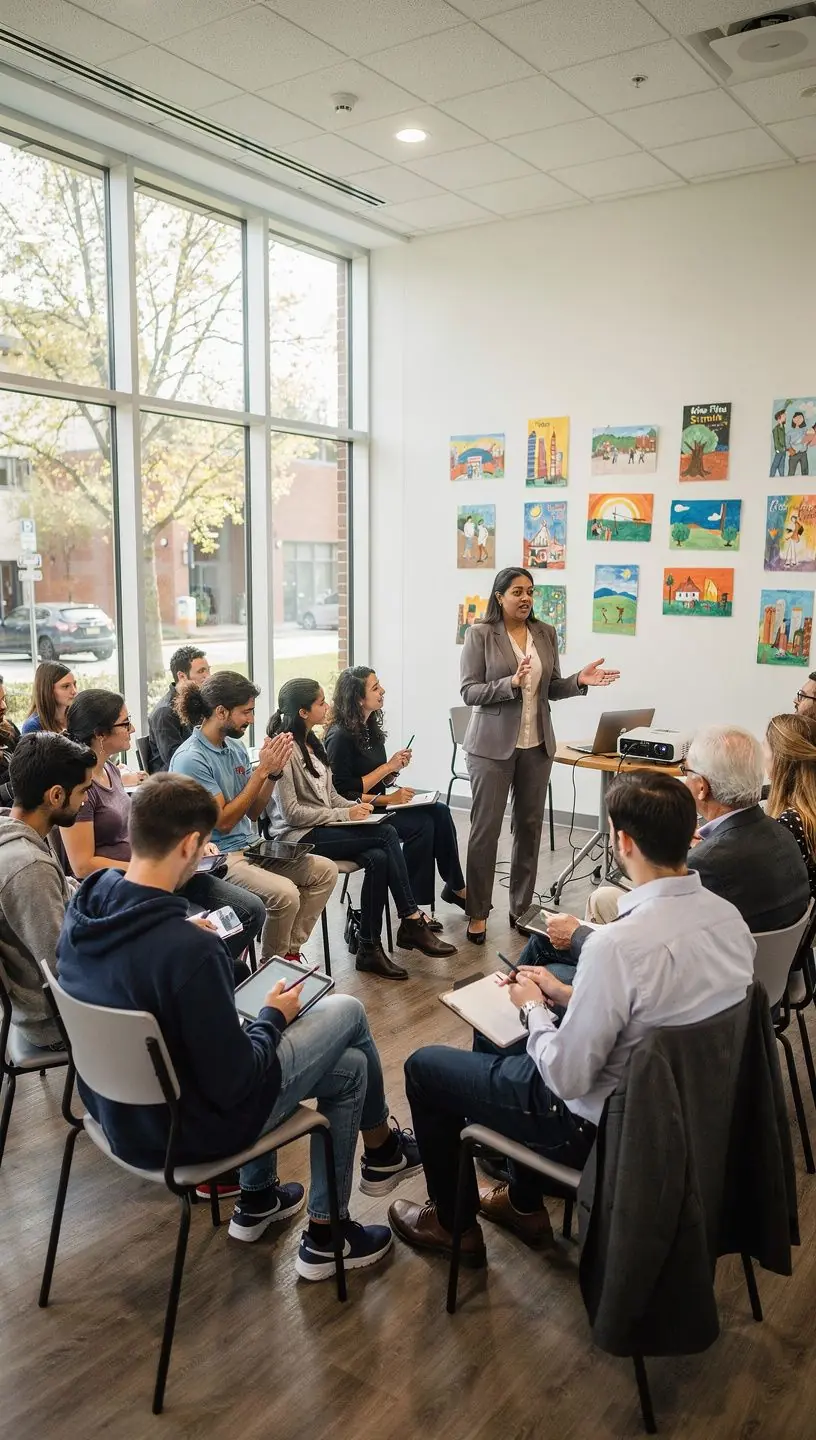
How to Create Inclusive Activities for Diverse Audiences
Creating inclusive activities is critical for fostering community engagement and ensuring that all individuals feel valued and represented. This article explores practical steps and best practices to develop activities that cater to diverse audiences while acknowledging the complexity and commitment involved in this process.
Understanding Diversity and Inclusion
Diversity encompasses various dimensions, including race, ethnicity, gender, sexual orientation, age, physical abilities, and socioeconomic status. Inclusion, on the other hand, refers to the active efforts made to ensure all individuals feel welcomed and valued within a community. According to the American Psychological Association, research shows that inclusive environments can enhance participation and satisfaction in group activities.

"Inclusive practices in community activities not only promote participation but also enhance the overall experience for all involved." - Community Engagement Expert
Steps to Create Inclusive Activities
To create effective inclusive activities, consider the following steps:
- Research Your Audience: Understand the demographics and specific needs of your community. Surveys and focus groups can provide valuable insights. Experts recommend conducting this research regularly to stay current with changing demographics.
- Accessibility Matters: Ensure that your activities are physically and socially accessible. This may include having wheelchair access, providing materials in multiple languages, or accommodating different learning styles. Industry standards suggest that activities should be designed with accessibility in mind from the outset.
- Encourage Participation: Actively invite diverse groups to participate in the planning process. This not only ensures that activities meet their needs but also fosters a sense of ownership and belonging. Many users report that their best experiences come from collaborative efforts.
Challenges and Considerations
While creating inclusive activities is essential, it often involves challenges:
- Time Commitment: The process of planning and implementing inclusive activities can take weeks or even months, depending on the scale. It typically requires ongoing evaluation and adjustment to meet the needs of all participants.
- Budget Constraints: Many organizations face financial limitations when trying to implement inclusive practices. It's important to explore funding opportunities or partnerships with local businesses and nonprofits.
- Resistance to Change: Some community members may resist new inclusive practices. Open dialogue and education about the benefits of inclusion can help mitigate this resistance.
Conclusion
Creating inclusive activities for diverse audiences is not just beneficial; it's necessary for fostering a strong, cohesive community. While the process can involve significant time and effort, the rewards are well worth it. By prioritizing research, accessibility, and collaboration, you can develop activities that engage and represent all members of your community. Remember, this is an ongoing journey of learning and adaptation, where successful outcomes typically emerge from sustained effort and commitment.
Learn More