Exploring the Impact of Arts on Community Well-being
Art has long been a cornerstone of cultural expression, but its contributions to community well-being are profound and multifaceted. This article delves into how engagement with the arts can enhance community health, foster social connections, and promote an enriched quality of life.
Understanding the Link Between Arts and Community Health
Research indicates that participation in arts activities can significantly benefit mental and physical health. According to a report by the Arts and Health Alliance, individuals who engage in artistic endeavors often experience reduced levels of anxiety and depression. This connection can be attributed to the therapeutic properties of creative expression, which allow individuals to process their emotions and experiences.
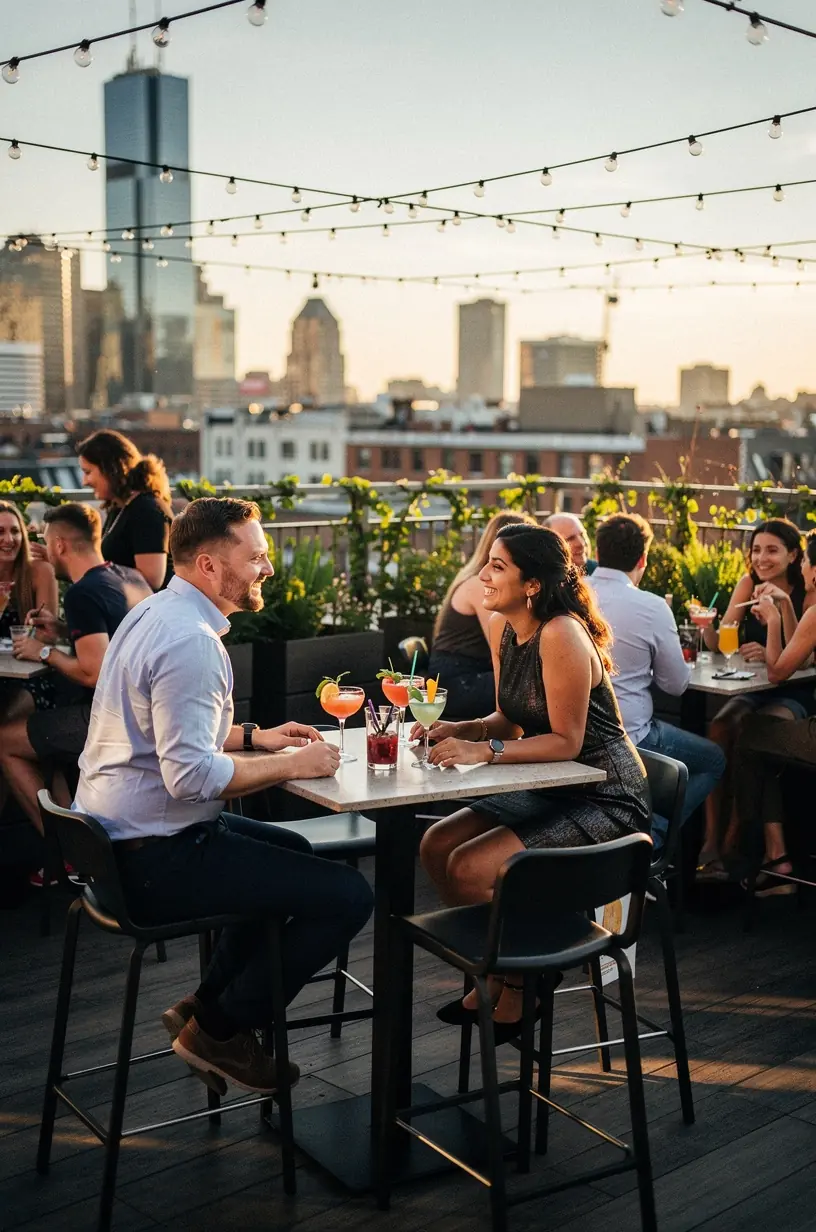
"Engaging with the arts can lead to a 30% decrease in feelings of isolation and loneliness, as individuals find community through shared creative experiences." - National Endowment for the Arts
How Arts Foster Social Connections
Art can serve as a catalyst for community engagement, bringing diverse groups together. Here’s how:
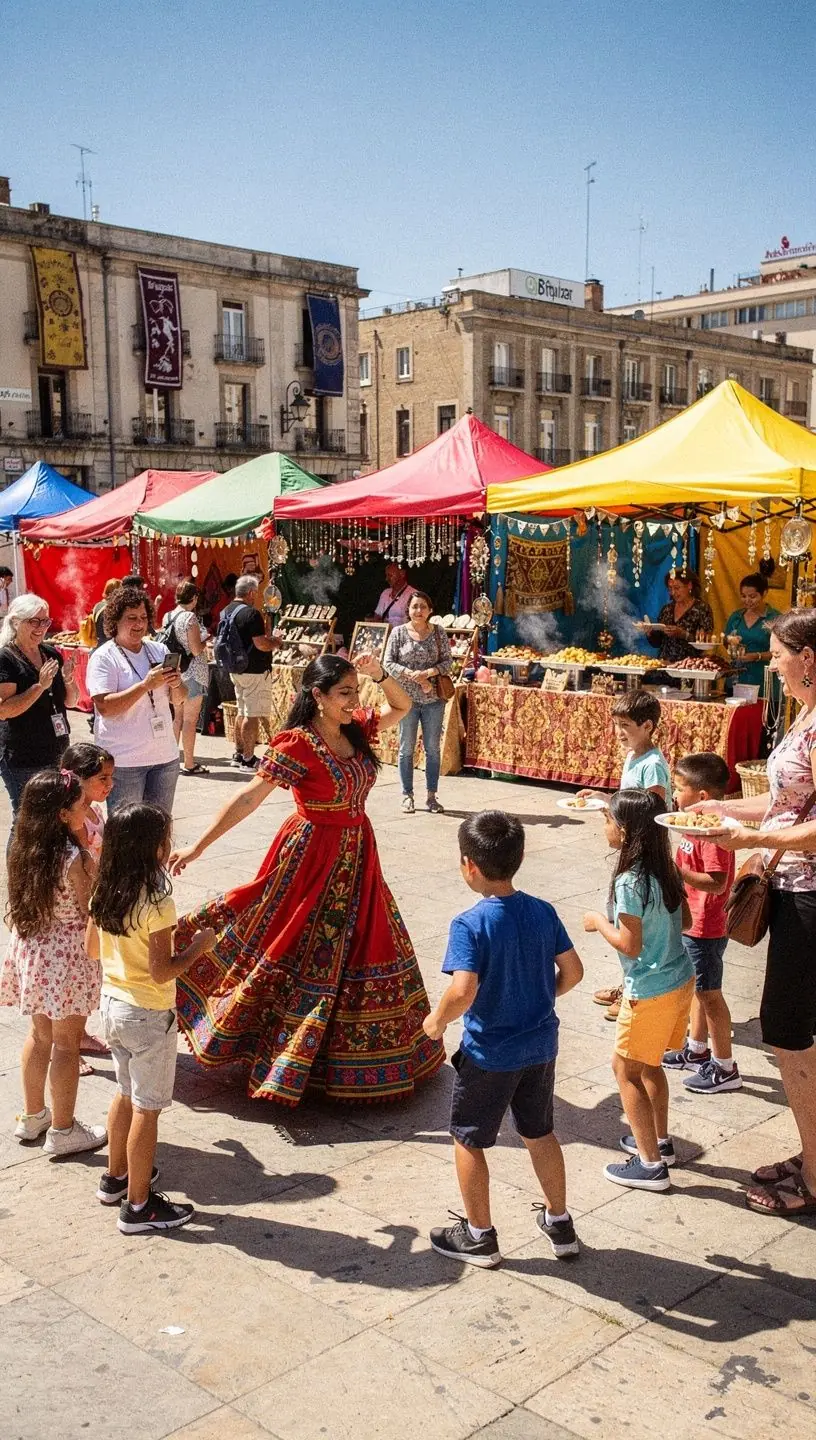
- Community Events: Local festivals, exhibitions, and performances create opportunities for residents to interact and collaborate, strengthening community ties.
- Collaborative Projects: Initiatives like murals or community gardens invite residents to work together, fostering a sense of ownership and pride.
- Workshops and Classes: These platforms encourage learning and sharing of skills, helping to bridge generational and cultural gaps.
Evidence of Arts' Impact on Well-being
Studies show that communities that actively engage with the arts often report higher levels of overall satisfaction and well-being. For instance, a study published in the Journal of Public Health found that neighborhoods with accessible art programs saw a 10% increase in community cohesion and trust among residents. Furthermore, arts participation has been linked to lower crime rates and improved public spaces, which contribute positively to community safety and perception.
Challenges and Considerations
While the benefits of arts engagement are clear, it’s essential to recognize some limitations:
- Arts initiatives typically require substantial time and financial investment, which may not be feasible for all communities.
- Engagement often necessitates a level of commitment that can be challenging for individuals with busy schedules.
- It’s vital to ensure that programs are inclusive and accessible to all, as barriers can lead to unequal participation.
Moving Forward: How Communities Can Embrace the Arts
Communities looking to strengthen their well-being through the arts should consider the following steps:
- Assess Community Needs: Conduct surveys or hold discussions to understand what types of arts programs would resonate with residents.
- Build Partnerships: Collaborate with local artists, schools, and organizations to create diverse and accessible programs.
- Promote Engagement: Utilize social media and local events to raise awareness and invite community members to participate actively.
Conclusion
The impact of the arts on community well-being is substantial, supporting mental health, social connections, and overall quality of life. While challenges exist, with careful planning and commitment, communities can harness the power of the arts to foster a more vibrant and connected society. Ultimately, engaging with the arts is not just about aesthetic enjoyment; it’s about building relationships, enhancing well-being, and creating a sense of belonging.
Learn More